Do growth and profit imperatives limit innovation?
A wrap up by Tech For Disability committee member Bianca Walker
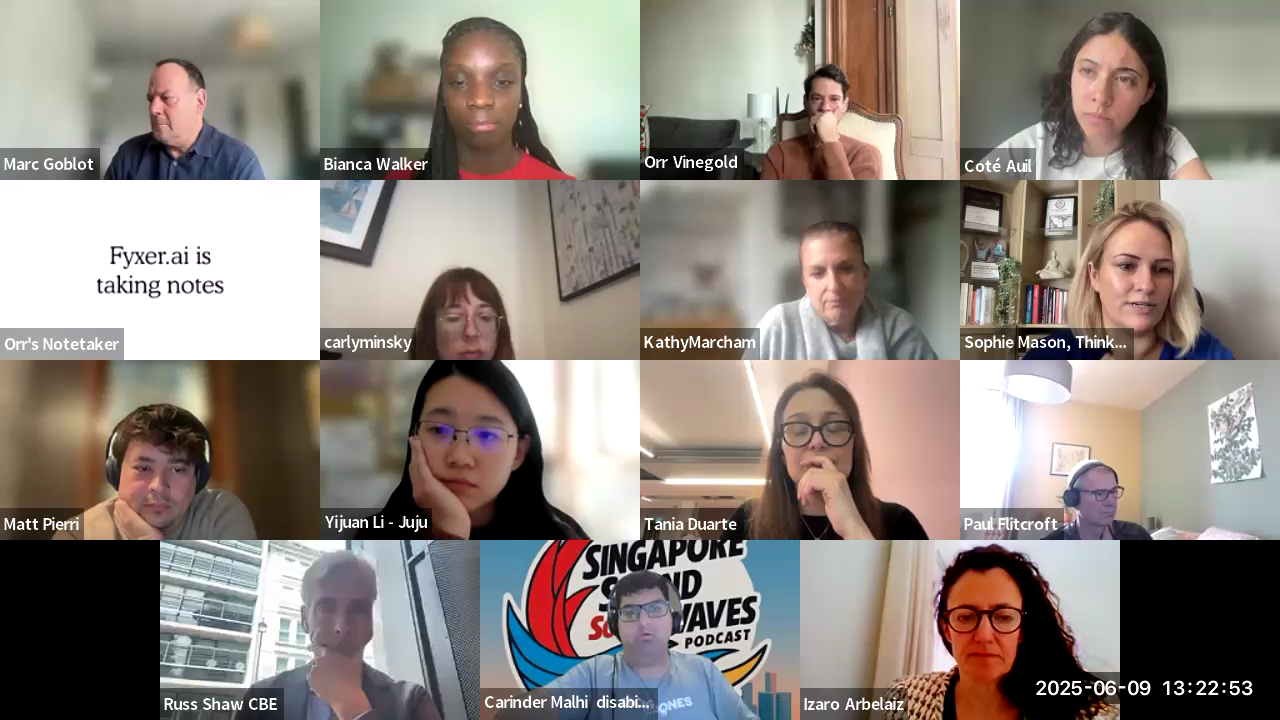
Last June, as part of London Tech Week, we posed the question: Do growth and profit imperatives limit innovation? - to an amazing panel of industry experts and professionals. In case you were unable to attend, here are our top 4 takeaways
Investors are Sceptical
Investors follow the trend; they stick to what they know and what they’ve seen perform greatly before. Matt Pieri gave his insight that new or different business models are viewed as not valid, leaving investors sceptical and more hesitant.
Impact Needs to be quantified
Kathy Marcham highlights that startups need to start thinking about data from the very early stages. Metrics are everything. Investors are looking for a return; having impact quantified is a more reliable indicator to them of the prospects of your business.
Orr Vingeold also goes on to mention that there is an issue with showing that tech for ‘marginalised’ communities is a profitable space, and it will take a long time for it to be viewed as valuable.
Support for entrepreneurs must be accessible
Sophie Mason reminded us that for disabled entrepreneurs, the support starts with making things more accessible. Matt Pieri reinforced this by suggesting that accelerators should also try to support entrepreneurs by helping them to connect to individuals required to bring their product or idea to life and simplifying the process.
Why we need investor accountability and better representation
Most investors just don’t quite get it, Kathy Marcham says, reiterating why, among the investors themselves, we need more representation. Sophie Mason highlights that 127 billion is wasted every year in the UK economy due to discrimination. How do things change? Matt Pieri suggests that investors need to be held more accountable for their decisions to drive meaningful change and diversity in funding, rather than relying on social proof and risk-averse herd behaviour.
In conclusion, this conversation highlighted that although tech innovation is thriving, in regard to tech both created by and designed by underrepresented groups, there is still so much friction. Our speakers provided excellent and practical advice, pushing entrepreneurs to quantify their impact and encouraging investors to look beyond the norm. As we continue to challenge the status quo, it’s crucial that both entrepreneurs and investors work together to reshape the future of tech with inclusivity, transparency, and long-term impact at its core.
You can see the video recording and text summary at the link below:
 Marc Goblot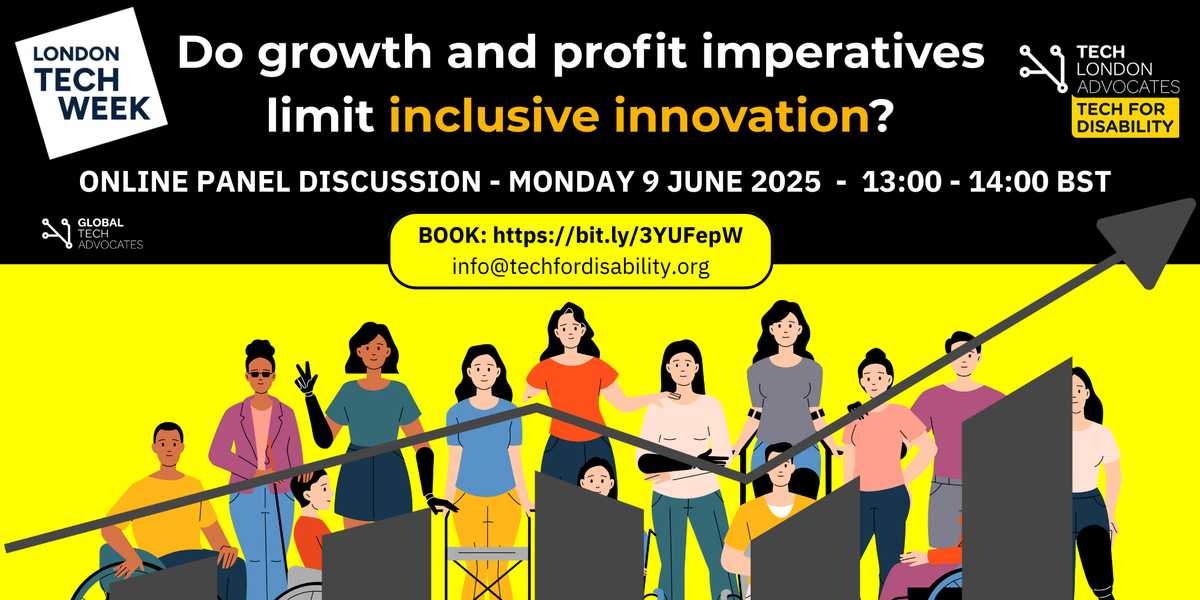
See more of the event here